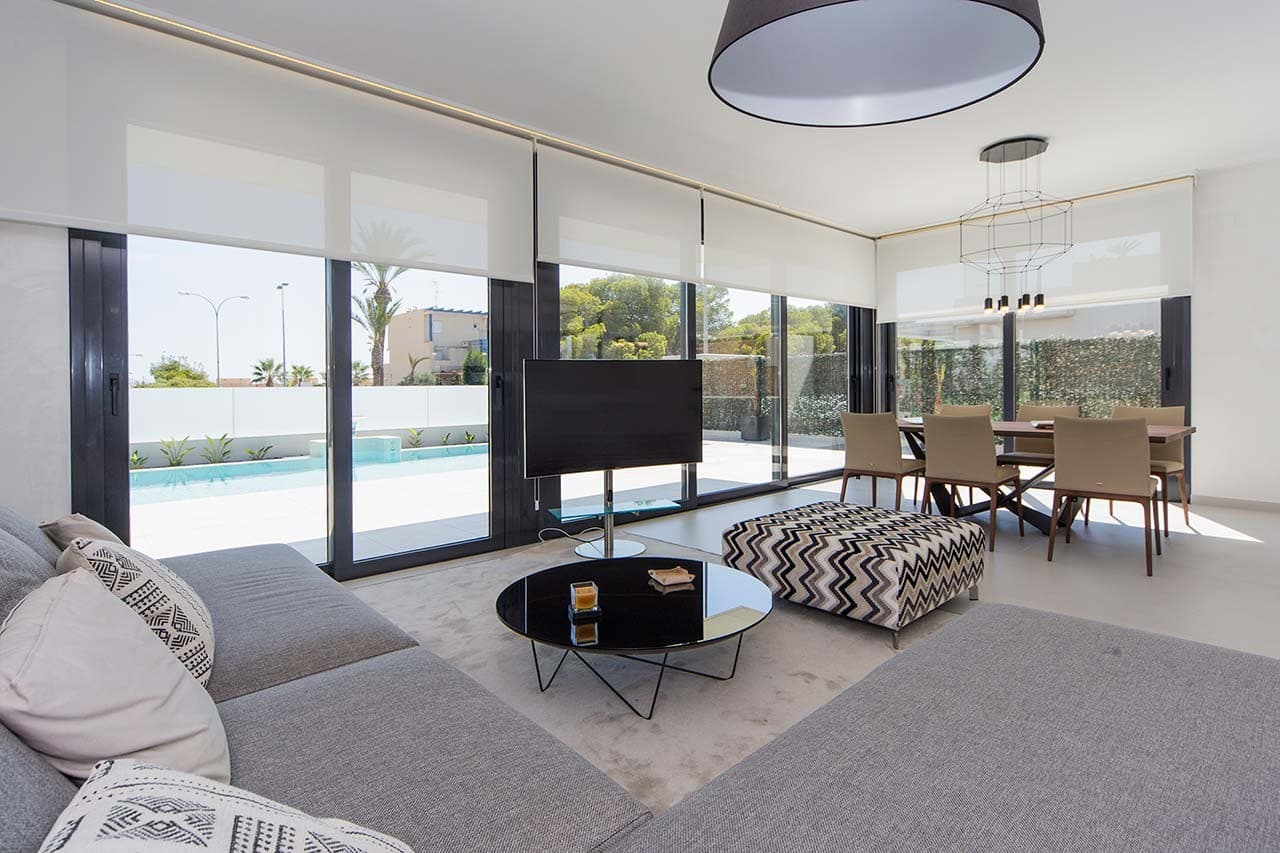
Living on the Costa Blanca: What to Expect
The Costa Blanca, stretching along Spain's southeastern coast, is one of Europe's most sought-after destinations for both holidaymakers and permanent residents. With over 300 days of sunshine per year and average winter temperatures of 10-18°C, it is easy to see why thousands of Northern Europeans have made it their home.
Climate and Weather
The Costa Blanca enjoys a Mediterranean climate recognized by the World Health Organization as one of the healthiest in the world. Summers are warm with temperatures reaching 28-34°C, while winters are mild and pleasant. Rainfall is minimal, mostly concentrated in autumn. This climate is particularly appealing to Baltic residents accustomed to long, dark winters.
Healthcare System
Spain has an excellent public healthcare system, ranked among the top in Europe. EU citizens from Estonia, Latvia, and Lithuania can use the European Health Insurance Card (EHIC) for temporary stays. For residents, registering with the public healthcare system (Sistema Nacional de Salud) provides free or low-cost access to doctors, specialists, and hospitals. Private health insurance is also widely available and affordable, typically costing €50-€150 per month.
Daily Life and Cost of Living
The cost of living on the Costa Blanca is significantly lower than in many Northern European countries. A couple can live comfortably on €1,500-€2,000 per month. Groceries are affordable, with excellent local produce available at weekly markets and supermarkets. Dining out is a pleasure — a three-course lunch menu del día typically costs €10-€13.
Transportation
Alicante-Elche airport serves as the main gateway to the Costa Blanca, with direct flights to Tallinn, Riga, and Vilnius operated by several airlines. Within the region, the TRAM light rail connects coastal towns from Alicante to Denia. Having a car is recommended for exploring inland areas, though many coastal towns are walkable.
Community and Social Life
The Costa Blanca hosts a vibrant international community. You will find Baltic community groups, social clubs, and regular meetups. Many towns have international schools with English-language curricula. Golf courses, hiking trails, water sports, and cultural events provide endless entertainment options.
Property Management
If you are not living in Spain full-time, property management services can handle maintenance, cleaning, bill payments, and even rental management. Revalia offers comprehensive after-sales support to ensure your Spanish home is always ready for your arrival.
Burning Questions from Baltic Buyers
Can I keep my residency in my home country? Yes, owning property in Spain does not require you to change your tax residency. However, if you spend more than 183 days per year in Spain, you may become a Spanish tax resident.
Is it safe? The Costa Blanca is generally very safe, with low crime rates in residential areas. Gated communities and urbanizations offer additional security.
What about the language barrier? While Spanish is the official language, English is widely spoken in tourist and expat areas. Many services, from healthcare to banking, are available in English. Some areas even have Russian-speaking communities.